
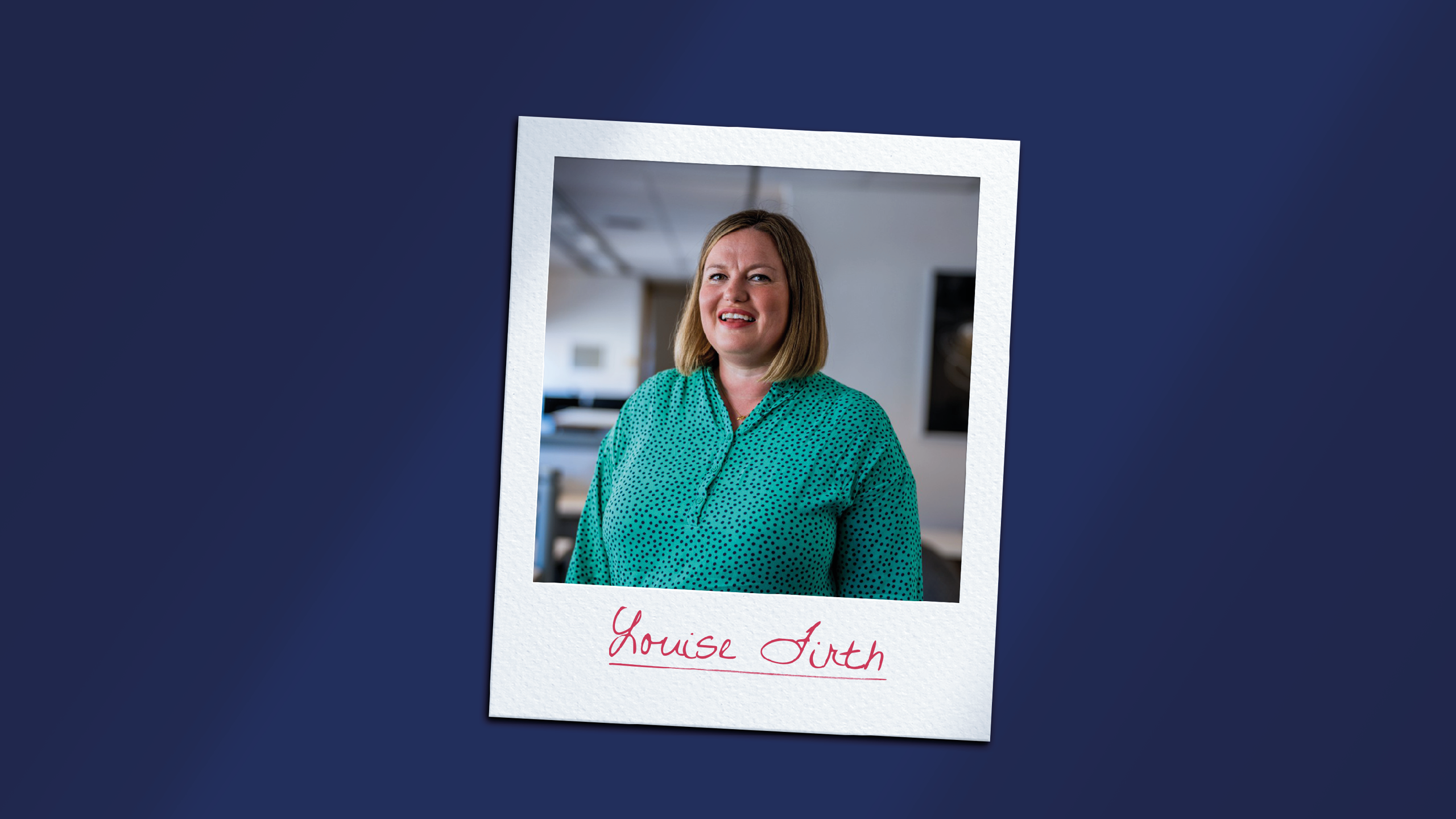
We’re pleased to continue our Women in Leadership Q&A series with Louise Firth, Director of Engagement at Ronald McDonald House Charities UK
With a career spanning events, fundraising, communications and engagement leadership across organisations including the NSPCC, Stonewall, Refuge and now Ronald McDonald House Charities UK, Louise brings a deeply human, values-led perspective to leadership at scale. Her work has consistently focused on building meaningful relationships, integrating teams around shared purpose, and creating engagement strategies that balance pace with care.
In this conversation, Louise reflects on how early experiences in events and stewardship shaped her approach to public engagement, why audience-first thinking matters more than ever, and what it really takes to lead integrated income, marketing and communications teams through change. She speaks openly about culture, wellbeing and resilience, and the leadership behaviours she believes will define the next generation of engagement leaders.
Read on for Louise’s thoughtful reflections on leading with empathy, authentically embedding inclusion, and building teams that deliver impact without losing their humanity.
Those early years taught me the fundamentals of building meaningful human connection at scale. Events and stewardship are all about creating moments that make people feel seen, valued and part of something bigger, and that philosophy now underpins how I lead engagement across every channel. I learned the importance of preparation and pace, but also the value of warmth, empathy and creating space for people to shine.
I still draw directly on those experiences today: thinking deliberately about how people will feel, how they’ll interact with us, and what will inspire them to take the next step in their relationship with the charity. At the heart of it, people want to feel that they’re making a difference. When we design experiences that create that sense of impact and pride, we unlock deeper, more joyful engagement because giving is rarely purely altruistic; it’s deeply emotional, and people want to feel good about doing good.
For me, it starts with clarity of purpose and a shared strategy that everyone feels ownership of and ideally has cocreated. For me, the dream is to structure around audience-first thinking rather than discipline-first thinking, which helps people naturally collaborate and spot opportunities across teams. We’re still at the start of the journey at Ronald McDonald House, but in previous roles I’ve led integrated planning cycles, shared campaign sprints, and cross-functional standups so we stay aligned and break down silos. Most importantly, I try to role model, joining up and working myself: seeking advice from colleagues inside and outside my organisation, codesigning solutions, and celebrating collective wins rather than individual brilliance.
I’ve always believed that whether someone gives £10 or £1m, or lends their voice and influence, they deserve to feel valued. For high-profile supporters, it’s about tailoring the experience so it feels personal, strategic and thoughtful, while protecting their time and ours. For wider public audiences, it’s about creating an inclusive ’movement’; giving them useful things to do, and ensuring they can see impact. The balance comes from being intentional: understanding what each audience needs to stay connected, and designing experiences that feel consistent with our values. I try to bring the same authenticity to both spaces, warm, transparent, human because ultimately people support people, not processes.
A successful partnership is built on mutual respect, shared ambition and a clear understanding of each other’s purpose. The strongest corporate relationships become far more than financial support, they are genuine win–win collaborations that create impact for both organisations. As we embed our new strategy, I will be stressing the importance of targeting partners whose motivations align with our mission and building momentum by ensuring partners truly understand our purpose, our families, and our values. When we lead with clarity and authenticity, we attract the right partners, and the partnership becomes a platform for lasting, meaningful impact.
Authenticity comes from embedding EDI at the very start of the process not at the end when decisions are already made. We look at who is in the room when decisions happen, and how our assumptions might be limiting who we reach. How we use data to guide our choices, from recruitment to campaign creative. Our People team have created an inclusive recruitment programme and a tactical element is that recruiting managers see very limited information at the shortlist stage; applications are truly anonymous to ensure we weed out as much bias as possible. Also asking the questions of how do we consider intersectionality, rather than individual characteristics or streams? I also believe in being open about what we don’t yet get right - humility builds trust. For me, EDI is not a project; it’s a leadership behaviour. When you treat it that way, inclusion becomes part of the culture, not a checklist.
Culture should be a major focus for any leader, because people simply cannot deliver exceptional work if they do not feel psychologically safe, valued and supported. I try to be intentional about open communication, setting clear expectations, celebrating wins, and checking in on people as humans, not just colleagues. I aim to create a team environment where it’s safe to ask for help, safe to fail, and safe to say when the pace feels too much.
During periods of change, I bring people into the journey early, provide clear context and give them space to process what’s happening. I’m also a big believer in modelling balance, acknowledging family life and the realities that come with it. The end of last year was particularly tough for me. With three young children, balancing work and home is always a juggle, even with a brilliant and supportive wife; we both work full time, so partnership, compromise and communication is important. Then I experienced a close family bereavement, and the grief completely floored me.
I chose to be open with my whole team about what I was going through. By sharing that my resilience was low during an incredibly busy period with high expectations, I hoped to show that I am human, and that it’s okay not to be “business as usual” when life demands otherwise. I believe deeply that you can lead well without sacrificing your wellbeing or your authenticity — and I want my team to feel they can do the same.
I’d encourage future leaders to really embrace Elsbeth Johnson’s principle of step up and step back, step up into leading change, and step back from the day-to-day doing. Think “lead” rather than “deliver,” and stay focused on the future rather than the immediate noise.
Build a strong network around you. I’ve absolutely relied on, learned from and been supported by peers and sector leaders I admire. Learning and development isn’t just about formal courses, it’s about relationships, curiosity and surrounding yourself with people who stretch your thinking.
Stay relentlessly audience-centred. The sector is evolving fast, and the leaders who thrive will be those who deeply understand their supporters, partners and communities, and can bring teams together around a shared vision.
Never be afraid of having people in your team who are “better” than you. In fact, seek it out. Having real subject matter experts around you is a gift, not a threat.
And always consider the role you play in shaping culture, at whatever level you’re at. Culture is the engine of engagement. If you build teams where people feel safe, empowered and inspired, strong performance naturally follows.
Finally, be brave. Try new things, innovate, fail and learn. Bring your whole self to work. Don’t wait for permission to lead from where you are. So many things! But our sector needs confident, inclusive, values-driven leaders, so grow your voice, trust your instincts and take up space.
Louise’s reflections offer a powerful reminder that engagement leadership isn’t just about strategy and structure, it’s about people, relationships and culture. From designing inclusive engagement experiences to leading teams through periods of change with honesty and care, her approach shows how values-led leadership can create both impact and resilience.
Louise will be sharing more of her experiences and insights live at our upcoming Elevate: Women in Leadership event on 12th February, alongside fellow senior leaders from across the charity and not-for-profit sector.
If you’d like to be added to the event waitlist, please email jael@thetalentset.co.uk.


