
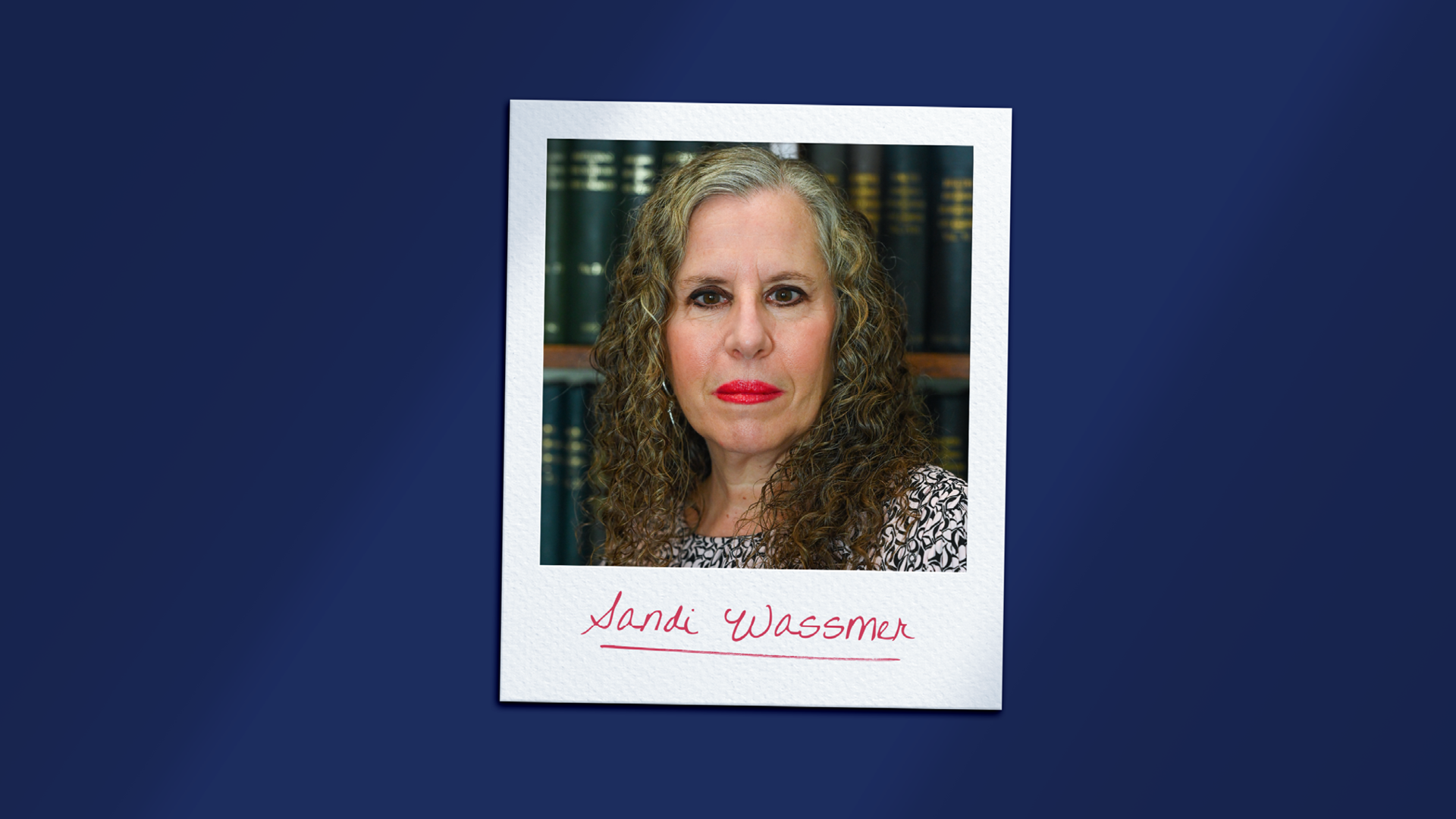
We’re pleased to continue our Women in Leadership Q&A series with Sandi Wassmer, an experienced leader, advisor and trustee whose career spans government, industry and the third sector
Sandi is widely recognised for her work on inclusion, accessibility and leadership culture, including co-authoring national accessibility frameworks and championing psychologically safe, human-centred workplaces. Across executive, board, and governance roles, her leadership has consistently focused on values, accountability, and the conditions that enable people to do their best work.
In this conversation, Sandi reflects on what it means to lead with openness rather than armour, how inclusive leadership shows up in everyday practice, and why vulnerability, consistency and responsibility are essential leadership behaviours. She also shares candid insights on the structural barriers women still face in leadership, the value of governance experience, and the principles that continue to guide her decisions.
Read on for Sandi’s thoughtful reflections on inclusive leadership, authenticity and creating environments where people can thrive, not just perform.
I’ve certainly had to adapt to the different environments that I’ve worked in, whether this be sector, industry or size of organisation, but this has never affected how I show up as a leader. As a leader, or as a human being for that matter, you have a fundamental choice about how you turn up and hold space for the people who rely on you. You can turn up with your "professional" armour, pretending to be perfect and infallible, which, of course, absolutely nobody is. Or you can show up firmly grounded, with an open heart, fully present for yourself and everyone around you, and able to deal with whatever is thrown your way. Leading with an open heart means that you will get hurt sometimes, but in the main, you will experience the joy of creating an environment where people feel psychologically safe, are thriving and are wildly creative, innovative, productive and high-performing.
Inclusive leadership requires the courage to be vulnerable, to be up front and centre, making mistakes, openly owning them and sharing your learnings, showing others that you are an imperfect, fallible human being, just like everybody else. This is not about being out of control, oversharing, or emotional dumping, but about being open, consistent, reliable and leading by example, giving permission for everyone in your team to take risks - openly learning from mistakes, raising concerns, holding others accountable and having a voice in the decisions that shape their working lives.
Women’s progress into leadership is still constrained by unconscious bias and entrenched gender stereotypes that define leadership in traditionally “male” terms, where men are perceived as competent, whilst women are required to continually prove themselves.
With leadership still predominantly male, women leaders are excluded from informal networks that control how key projects are distributed, who gets access to sponsorship, coaching, and mentoring, and who is given opportunities for progression. What makes matters even worse is the intersectional aspect of this, so adding in other characteristics, such as ethnicity, disability and sexual orientation, just compounds this.
Alongside this, and in contrast with a psychologically safe and inclusive culture, leadership is still seen as a 24/7, always available role built around linear, “unbroken” careers, but the reality is that women have more unpaid care responsibilities and face a motherhood penalty that marks them as less committed and less suitable for senior roles.
Being a trustee or a non-executive is very different to holding an executive leadership role, but for women either stepping into or already in leadership roles, it provides an unparalleled learning opportunity. It allows you to look at strategy, governance, leadership and organisational effectiveness from a very different perspective, and the skills you will learn from being on a board will help shape your leadership style, as well as your strategic and critical thinking.
I’m afraid that there is no single person or event that has shaped my leadership. It has been more of a journey where I have, and still continue, to learn. When I think about what is core to my leadership, I always go back to what the Dalai Lama refers to as the three R/s-respect for self, respect for others and responsibility for all your actions. These help me stay grounded, accountable, kind, compassionate, honest, empathetic and authentic.
Be yourself. Don’t try to be the leader you think other people want or need you to be. Open your heart and find the authentic leader within you. Stay rooted in your values, be consistent, reliable, and accountable, set clear goals and realistic expectations, and remember to take everyone on the journey with you.
Sandi’s reflections offer a powerful reminder that leadership is not about perfection, hierarchy or control, but about how we choose to show up for others. Her emphasis on openness, accountability and respect highlights the deep connection between inclusion, trust and high-performing teams
From challenging traditional leadership norms to advocating for psychologically safe cultures and more inclusive pathways into governance, Sandi’s perspective speaks to the kind of leadership the sector needs now and into the future.
Sandi will be sharing more of her experiences and insights live at our upcoming Elevate: Women in Leadership event on 12th February, alongside fellow senior leaders from across the charity and not-for-profit sector.
If you’d like to be added to the event waitlist, please email jael@thetalentset.co.uk.


